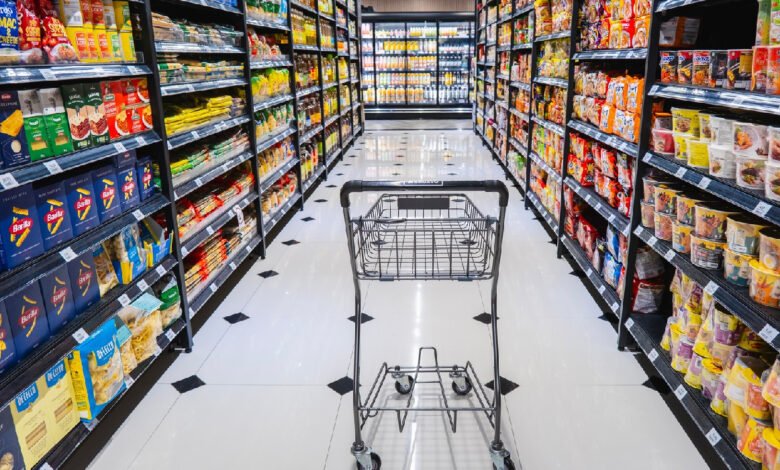
Introduction
Supermaked is a modern retail concept that blends the traditional functions of a supermarket with advanced convenience, personalization, and human-centered design. While the word “Supermaked” may not appear in every dictionary, it is increasingly used in branding discussions, online searches, and retail innovation conversations to describe a more evolved shopping environment. Unlike the classic supermarket model that focuses mainly on selling products in large quantities, Supermaked emphasizes experience, efficiency, trust, and adaptability. It represents a structural shift in retail thinking, where stores are no longer just spaces to purchase goods but environments designed to respond to how people actually live. In today’s world, where time is limited and expectations are high, Supermaked matters because it recognizes that shopping should feel intuitive, smooth, and meaningful rather than overwhelming or mechanical.
The Meaning and Origin of the Word “Supermaked”
Literal Meaning
The term Supermaked is clearly derived from the word “supermarket,” which traditionally refers to a large self-service retail store selling groceries and household goods. Linguistically, it reflects a variation influenced by global language patterns, particularly in Scandinavian contexts, where “supermarked” directly translates to supermarket. In some multilingual environments, spelling variations like Supermaked naturally emerge as adapted forms. However, beyond its linguistic roots, the word has grown into something conceptually broader. Supermaked is no longer just a spelling variation; it symbolizes an updated retail philosophy that builds on the supermarket model while adding emotional intelligence, digital integration, and customer-focused strategy.
Evolution of the Term in Retail Language
Language evolves alongside behavior, and retail terminology is no exception. As consumers began searching online for better shopping experiences, faster checkout systems, and smarter stores, new expressions emerged to describe these expectations. Supermaked reflects how digital culture shapes vocabulary. The rise of search engines, social media conversations, and branding creativity allowed terms like Supermaked to gain recognition. Retail branding often adapts language to stand out in competitive markets, and Supermaked has become associated with innovation, modernization, and retail transformation. In this way, the term demonstrates how language adapts to match new consumer realities.
Supermaked vs. Supermarket — Key Differences
A supermarket is traditionally defined as a large self-service retail store that sells food and household products organized into aisles. Its primary goal is product availability and sales efficiency. Supermaked, while rooted in that model, expands the focus from product to experience. The difference lies not only in structure but in philosophy.
Key Differences:
-
Branding Focus:
-
Supermarket: Product variety and pricing
-
Supermaked: Customer experience and adaptability
-
-
Customer Experience:
-
Supermarket: Functional and transactional
-
Supermaked: Seamless and emotionally aware
-
-
Personalization:
-
Supermarket: General promotions
-
Supermaked: Tailored suggestions and relevant offers
-
-
Community Role:
-
Supermarket: Commercial space
-
Supermaked: Social and community-oriented hub
-
In simple terms, a supermarket sells goods efficiently, while Supermaked aims to serve people intelligently.
The History and Evolution of Retail
From Specialty Stores to Supermarkets
Before supermarkets existed, shopping required visiting separate specialty stores for meat, vegetables, bread, and dry goods. This fragmented system was time-consuming and inconvenient. In the early twentieth century, retailers introduced large self-service stores that combined multiple categories under one roof. Customers could browse freely, select items themselves, and pay at a single checkout counter. This innovation transformed shopping into a more efficient process and laid the foundation for the modern supermarket.
E-commerce Disruption
The emergence of e-commerce dramatically altered consumer expectations. Online platforms offered instant price comparisons, home delivery, and unlimited browsing. Shoppers grew accustomed to convenience, speed, and personalization. Traditional supermarkets struggled to compete with this digital efficiency. Retailers had to rethink their strategies, leading to hybrid models that integrated physical and digital strengths.
The Birth of Hybrid Retail Like Supermaked
Supermaked emerged as a response to this disruption. Rather than replacing physical stores, it enhances them with digital intelligence. It combines the trust and sensory experience of in-person shopping with the speed and personalization of online platforms. This hybrid structure allows customers to enjoy the best of both worlds.
Why Supermaked Matters Today
Consumer Expectations Have Changed
Modern consumers demand convenience, speed, relevance, and transparency. They want stores to respect their time and understand their preferences. Long checkout lines, confusing layouts, and irrelevant promotions no longer meet expectations. Supermaked addresses these demands by streamlining processes and focusing on real customer needs.
How Supermaked Meets Modern Life
Supermaked aligns with both emotional and practical needs. It reduces stress through intuitive design and quick checkout systems. It builds trust through transparent pricing and consistent quality. By making shopping smoother and more personal, it enhances everyday life.
Core Principles of Supermaked
Adaptability
Adaptability is one of the most important foundations of Supermaked. Unlike traditional retail stores that operate on fixed layouts and static inventory plans, Supermaked environments are designed to respond in real time to changing customer behavior and demand patterns. This means inventory systems are connected to intelligent forecasting tools that analyze purchasing trends, seasonal shifts, and even local preferences. If demand for a specific product increases, supply adjustments happen quickly to prevent shortages. If certain items are not moving, stock levels are reduced to avoid waste.
Adaptability also applies to store layouts. Supermaked stores may reorganize product placements based on traffic patterns and customer flow data, ensuring frequently purchased items are easier to access. This dynamic structure makes the store feel alive and responsive rather than rigid. By constantly adjusting to real-world behavior, Supermaked reduces waste, improves availability, and ensures customers consistently find what they need without frustration.
Personalization
Personalization in Supermaked is designed to be helpful, not overwhelming. Instead of pushing aggressive advertising or random promotions, Supermaked uses smart systems to offer suggestions that genuinely match customer preferences. For example, if a shopper regularly buys organic produce, the system may highlight similar healthy options or offer relevant discounts. If a customer prefers a certain brand, recommendations reflect that preference rather than replacing it. The goal is to reduce decision fatigue by presenting meaningful options. Personalization also improves product placement. Frequently purchased items may be positioned at eye level or grouped logically with complementary goods. Importantly, personalization in Supermaked respects customer comfort. It enhances convenience without creating pressure. The experience feels natural and supportive rather than sales-driven. This thoughtful approach builds trust and long-term loyalty.
Flow
Flow refers to the smooth and uninterrupted journey a customer experiences from the moment they enter a Supermaked until they complete their purchase. A strong sense of flow eliminates confusion, overcrowding, and unnecessary delays. Supermaked stores achieve this through clear signage, logical product grouping, and intuitive navigation paths. Customers can easily locate sections such as fresh produce, dairy, pantry items, and household supplies without feeling lost. Efficient checkout systems, including self-checkout kiosks and mobile payment options, reduce waiting time and improve satisfaction. Flow also considers emotional comfort. Lighting, spacing, and layout are carefully planned to prevent stress and create a calm atmosphere. When flow is properly designed, shopping feels effortless and even enjoyable. Customers move naturally through the space without obstacles or distractions, which improves both efficiency and overall experience.
Key Features of a Supermaked Store
Thoughtful Layout & Navigation
A Supermaked store is intentionally designed with clarity and comfort as priorities. Wide aisles allow easy movement, even during busy hours. Clear signage guides shoppers toward different sections without confusion. Products are organized logically, so similar items are grouped together. For example, baking supplies are placed near flour and sugar rather than scattered across unrelated aisles. This reduces mental fatigue and saves time. Lighting is balanced to create a welcoming environment rather than a harsh commercial atmosphere. Seating areas or open spaces may be included to allow customers to pause comfortably. The layout focuses on intuitive navigation, meaning customers can predict where products might be located without constantly searching. This thoughtful design transforms shopping into a smoother and less stressful experience.
Product Range and Quality
Like traditional supermarkets, Supermaked offers a broad selection of products, including fresh fruits and vegetables, dairy products, meat, frozen foods, beverages, pantry staples, and household essentials. However, what distinguishes Supermaked is its focus on quality and relevance rather than excessive quantity. Instead of overwhelming shoppers with endless similar brands, Supermaked curates products carefully to match local demand and consumer preferences. Fresh produce is frequently replenished to maintain quality. Local and seasonal items are prioritized to ensure freshness and sustainability. The goal is not simply to fill shelves but to provide meaningful options that meet everyday needs efficiently. By balancing variety with thoughtful selection, Supermaked maintains both convenience and quality.
Customer-Centered Amenities
Supermaked stores prioritize customer comfort through well-trained staff, organized sections, and calm design elements. Employees are available to assist with product questions, recommendations, and guidance. The store atmosphere is designed to feel welcoming rather than rushed. Cleanliness is maintained consistently to enhance trust. Some Supermaked locations may include small cafes, tasting stations, or demonstration areas that create a more interactive environment. Amenities such as clear price displays, comfortable shopping carts, and easy-access entrances further improve the experience. Every detail is focused on making customers feel valued and supported rather than processed through a system.
Technology That Powers Supermaked Experiences
Invisible Tech Backbone
Behind the visible shopping environment, Supermaked operates on advanced technological systems that remain largely invisible to customers. Automated inventory management systems track product movement in real time. Demand prediction tools analyze sales data to forecast future needs, ensuring shelves remain stocked without overordering. Supply chain optimization reduces delivery delays and improves freshness for perishable goods. Waste reduction systems monitor expiration dates and rotate stock efficiently. These technologies operate quietly in the background, allowing the shopping experience to feel smooth and natural. Customers benefit from consistent availability and reduced shortages without being directly aware of the complex systems working behind the scenes.
Customer-Facing Features
While backend systems remain invisible, some technology directly enhances the customer journey. Digital price labels allow instant updates, reducing errors and ensuring accurate pricing. Scan-and-go systems let shoppers scan items using mobile apps, minimizing checkout time. Self-checkout kiosks offer flexibility for customers who prefer quick and independent payment options. Mobile integration allows users to browse product availability, check prices, and create shopping lists before arriving. These features reduce waiting time and improve transparency. By combining speed and convenience, customer-facing technology strengthens the overall Supermaked experience.
Human-First Tech Design
Technology in Supermaked is designed to support people rather than replace them. Automation reduces repetitive tasks such as manual inventory checks or price adjustments, allowing employees to focus on service and quality control. Staff can spend more time assisting customers and ensuring product standards rather than handling routine administrative duties. This human-first approach ensures that technology enhances relationships rather than eliminating personal interaction. Customers still receive guidance and support, but with greater efficiency.
Personalization That Respects Privacy
Supermaked recognizes that personalization must be balanced with privacy. Ethical data practices are central to maintaining trust. Customers are informed about how their purchasing data is used and can control their preferences through opt-in systems. Personalized offers are designed to improve relevance, not to track behavior aggressively. Clear policies ensure transparency and security. When customers feel confident that their information is handled responsibly, they are more open to personalized experiences. This trust-based model strengthens loyalty while protecting privacy.
Sustainability as a Built-In Value
Sustainability is not an afterthought in Supermaked; it is integrated into daily operations. Energy-efficient lighting and refrigeration systems reduce electricity consumption. Smart inventory management lowers food waste by aligning supply with demand. Local sourcing supports community producers while reducing transportation emissions. Packaging choices may emphasize recyclable or eco-friendly materials. These practices benefit both the environment and the customer. Fresher products, reduced waste, and transparent sourcing create practical advantages. Sustainability becomes a natural part of the shopping experience rather than a marketing statement.
Supermaked as a Community Hub
Supermaked stores often function as social spaces within neighborhoods. Events such as cooking demonstrations, product tastings, and seasonal celebrations create engagement beyond transactions. Collaborations with local farmers and small businesses strengthen community ties. Customers feel connected to the store because it supports local initiatives and values. This emotional connection builds brand loyalty. Supermaked becomes more than a place to shop; it becomes part of daily community life.
Operational Challenges & Limitations
Despite its advantages, implementing the Supermaked model requires significant investment in technology, training, and infrastructure. Advanced systems must remain reliable to prevent disruptions. Staff must be trained to use digital tools effectively. Inclusivity is also important, as not all customers are comfortable with technology. Supermaked must provide traditional checkout options and clear guidance to ensure accessibility for everyone. Balancing innovation with simplicity remains an ongoing challenge.
Broader Economic & Cultural Impacts
Supermaked reshapes retail employment by increasing demand for digital management skills and customer service expertise. Automation changes job roles, focusing more on supervision and support rather than manual processes. In urban areas, Supermaked may influence city planning by integrating fulfillment centers within local communities. In smaller towns, it can strengthen local economies by partnering with regional suppliers. Culturally, Supermaked reflects a shift toward smarter, more responsible consumption patterns.
Supermaked and Other Retail Formats
1 Hypermarkets
Hypermarkets are large retail spaces that combine supermarket and department store features. They focus heavily on size and product range. Supermaked, in contrast, emphasizes intelligence, personalization, and experience rather than physical scale.
2 Grocery Stores vs Supermarket vs Supermaked
Grocery stores are typically small and limited in selection. Supermarkets offer broader variety and self-service layouts. Supermaked builds on the supermarket model but adds adaptability, digital integration, and customer-centered design. It prioritizes experience alongside efficiency.
The Future of Supermaked
The future of Supermaked includes deeper integration of artificial intelligence, stronger omnichannel systems connecting online and offline shopping, and enhanced personalization powered by responsible data use. Sustainability efforts will continue to expand, focusing on carbon reduction and circular supply chains. By 2030, retail spaces may become even more responsive, adjusting inventory and layout dynamically. Automation and human-centered service will coexist, ensuring both efficiency and warmth in the shopping environment.
Conclusion
Supermaked represents the next stage in retail evolution. It combines traditional supermarket strengths with digital intelligence, personalization, and community engagement. By focusing on adaptability, flow, and ethical practices, Supermaked creates a shopping experience that feels modern, efficient, and human. As consumer expectations continue to evolve, Supermaked stands as a clear example of how retail can move forward—by understanding people, respecting their time, and designing spaces that truly serve everyday life.
(FAQs) Frequently Asked Questions
1. What is Supermaked?
Supermaked is a modern retail concept that combines a traditional supermarket with smart technology, personalized shopping, and a customer-focused experience. It is designed to make shopping faster, easier, and more convenient while improving product quality and service.
2. How is Supermaked different from a supermarket?
A supermarket mainly focuses on selling products in large quantities. Supermaked focuses on both products and customer experience. It uses technology, better layouts, and personalization to create a smoother and more human-centered shopping journey.
3. Why is Supermaked becoming popular?
Supermaked is becoming popular because people want faster checkout, better product recommendations, and less stress while shopping. It saves time, reduces waiting, and offers smarter services that match modern lifestyles.
4. Does Supermaked use technology in stores?
Yes, Supermaked uses technology such as digital price labels, self-checkout systems, mobile apps, and smart inventory management. These tools help reduce waste, improve product availability, and make shopping more efficient.
5. Is Supermaked the future of retail?
Yes, Supermaked represents the future of retail because it blends physical stores with digital convenience. It focuses on personalization, sustainability, and smooth customer experiences, which are key trends shaping shopping in 2025 and beyond.