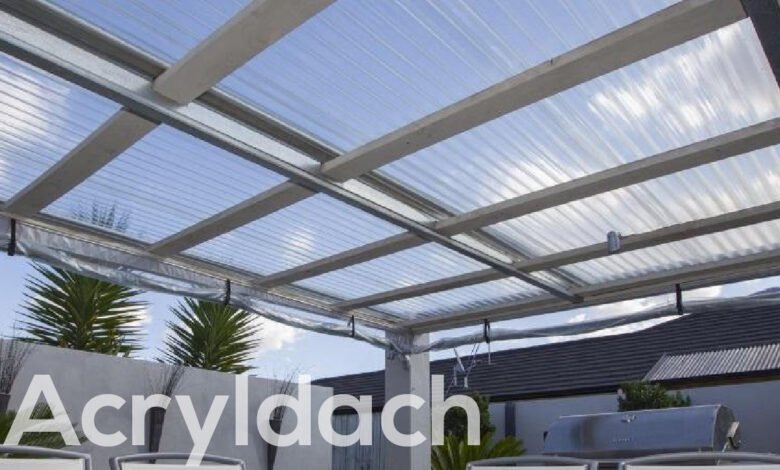
Acryldach is becoming one of the most popular choices in modern roofing because it combines durability, transparency, and energy efficiency in a single solution. As construction trends move toward lightweight materials and sustainable building designs, acrylic roofing systems are increasingly used in residential, commercial, and agricultural projects. Unlike traditional roofing materials that either block natural light or require heavy structural support, Acryldach offers a balanced alternative that allows daylight to enter while still providing strong protection against weather conditions.
Whether used for carports, terraces, greenhouses, or large architectural skylights, Acryldach delivers both functional performance and modern visual appeal. Understanding how it works, what it is made of, and how it compares to other roofing materials is essential before choosing it for any construction project.
What Is Acryldach?
Acryldach is a roofing system made from acrylic (PMMA) sheets designed to provide light transmission, weather protection, and long-term durability in residential and commercial structures. It combines the clarity of glass with lightweight strength, making it ideal for patios, skylights, carports, and greenhouses.
What Material Is Used in Acryldach?
The primary material used in Acryldach is polymethyl methacrylate, commonly known as PMMA or acrylic. Developed in the 1920s, PMMA quickly gained recognition as a transparent thermoplastic that could serve as a lightweight alternative to glass. Often referred to as “acrylic glass,” this material offers exceptional optical clarity, transmitting up to 92% of visible light while remaining significantly lighter and more impact-resistant than traditional glass.
PMMA is resistant to UV radiation, moisture, and many environmental stresses, which makes it particularly suitable for roofing applications. Its structure allows it to be molded into flat sheets, corrugated panels, or multi-wall forms, providing flexibility for different architectural designs.
Acryldach Meaning (German Origin)
The term Acryldach originates from the German language, where “Acryl” means acrylic and “Dach” means roof. The word is widely used in Germany, Austria, and Switzerland to describe roofing systems made from acrylic sheets. Over time, the term has gained broader international usage, especially in European markets where transparent roofing solutions are common in residential and commercial construction.
Material Properties of Acryldach
Transparency and Light Transmission
One of the most significant advantages of Acryldach is its exceptional transparency. Acrylic sheets used in roofing can transmit up to 92% of natural light, making them comparable to high-quality glass. This high light transmission makes Acryldach ideal for daylight systems, including skylights, winter gardens, and covered terraces. Allowing natural light to enter interior spaces, it reduces reliance on artificial lighting during daytime hours, leading to lower electricity consumption and a brighter, more comfortable environment.
UV Resistance and Weather Protection
Acryldach panels are manufactured with built-in UV stabilizers that protect them from long-term sun exposure. Unlike cheaper plastics that may turn yellow or become brittle over time, high-quality acrylic sheets maintain clarity and structural integrity for decades. They offer reliable protection against rain, snow, hail, wind, and fluctuating temperatures. This weather resistance makes Acryldach suitable for regions with harsh climates, ensuring consistent performance without rapid deterioration.
Strength and Impact Resistance
Acryldach is stronger than traditional glass and significantly less likely to shatter under impact. Although it is slightly less impact-resistant than polycarbonate, acrylic does not break into sharp fragments, making it safer for public structures and residential areas. Its ability to withstand moderate impacts, including hail and falling debris, enhances its reputation as a durable roofing material.
Weight Comparison
Acrylic roofing panels are approximately 50% lighter than glass, which reduces structural load requirements. This lightweight nature simplifies installation and lowers transportation costs. Builders often prefer Acryl dach because it requires less reinforcement in support frames compared to heavier roofing alternatives.
Thermal Expansion Characteristics
Like most thermoplastics, acrylic expands under heat and contracts in cooler temperatures. Proper installation requires leaving expansion gaps to prevent stress cracking. When correctly fixed using suitable washers and mounting systems, thermal movement does not compromise durability.
Types of Acryldach Panels
Flat Acrylic Sheets
Flat acrylic sheets are commonly used in modern architectural designs, particularly for skylights and minimalistic roof structures. They provide clean lines and uninterrupted transparency, enhancing contemporary building aesthetics.
Corrugated Acryldach Panels
Corrugated panels offer increased strength due to their wave-like structure. They are widely used in carports, patio covers, and industrial roofs where additional structural stability is required.
Multi-Wall Acrylic Panels
Multi-wall panels feature air gaps between layers, providing improved insulation and thermal performance. These panels are commonly used in greenhouses and winter gardens where temperature control is essential.
Tinted and Frosted Variants
Acryldach panels are available in bronze, grey, blue, and frosted finishes. These variations reduce glare, control heat gain, and enhance privacy without sacrificing durability.
Common Applications of Acryldach
Residential Applications
In residential construction, Acryldach is widely used for carports, terraces, pergolas, balconies, skylights, and garden structures. Homeowners appreciate its ability to provide protection while preserving natural light, creating bright and inviting outdoor spaces.
Commercial Applications
Commercial applications include shopping mall skylights, office atriums, stadium roofing, public walkways, and bus shelters. Its durability and safety profile make it suitable for high-traffic environments.
Agricultural and Greenhouse Use
Greenhouses benefit significantly from Acryldach due to its high light transmission and controlled UV exposure. The material supports plant growth while stabilizing internal temperatures.
Acryldach vs Other Roofing Materials
Acryldach vs Glass
| Feature | Acryldach | Glass |
|---|---|---|
| Weight | Light | Heavy |
| Impact Resistance | High | Low |
| Shatter Risk | Low | High |
| Installation | Easy | Complex |
Polycarbonate vs Acryldach
Polycarbonate offers stronger impact resistance, making it suitable for high-impact environments. However, acrylic provides better clarity, improved anti-yellowing properties, and superior scratch resistance. Polycarbonate is more flexible, while Acryldach offers greater optical stability.
Acryldach vs Metal Roofing
Acrylic roofing allows natural light to pass through, whereas metal blocks light entirely. While metal may last longer structurally, it requires anti-corrosion treatments and does not provide daylight benefits.
Installation Guide for Acryldach
Planning and Measurement
Accurate measurement of roof area and selection of appropriate sheet thickness are essential. Snow loads, wind zones, and structural support must be evaluated before installation.
Required Tools
Installation requires a fine-tooth saw, plastic drill bits, sealing strips, rubber washers, and a strong aluminum or steel support frame.
Installation Steps
The process includes preparing the support structure, cutting panels carefully, pre-drilling expansion holes, fixing sheets with screws and washers, sealing joints, and removing protective films.
Common Installation Mistakes
Mistakes include failing to allow expansion gaps, overtightening screws, installing incorrect slopes, and inadequate sealing.
Maintenance and Cleaning
Cleaning Process
Cleaning involves mild soap and water with a soft cloth. Abrasive materials should be avoided.
Preventing Scratches
Microfiber cloths and gentle handling prevent surface damage.
Expected Lifespan
With proper maintenance, Acryldach can last between 15 and 30 years, with UV-coated sheets offering extended durability.
Cost of Acryldach
What Affects Pricing?
Pricing depends on thickness, coatings, panel shape, installation labor, and regional factors.
Average Price Range
Acryldach is generally mid-range in cost, cheaper than glass and slightly cheaper than premium polycarbonate.
Long-Term Cost Efficiency
Reduced lighting costs, minimal maintenance, and long lifespan contribute to a strong return on investment.
Sustainability and Environmental Impact
Energy Efficiency Benefits
By maximizing daylight use, Acryldach reduces electricity consumption and supports green building design.
Recyclability
PMMA is recyclable through mechanical recycling processes.
Environmental Concerns
Although derived from petrochemicals, its long lifespan offsets environmental impact.
Advantages and Disadvantages of Acryldach
Advantages
High transparency, lightweight design, UV resistance, low maintenance, modern appearance, and cost-effectiveness make Acryldach attractive.
Disadvantages
It scratches more easily than glass, offers slightly less impact resistance than polycarbonate, requires careful installation, and expands under heat.
Buying Guide – How to Choose the Right Acryldach
Thickness Selection
2–4 mm sheets suit small covers, 6–10 mm for patios, and 16 mm or more for insulated roofing.
Climate Considerations
Snow loads, wind exposure, and sun intensity must influence material choice.
Certification and Quality Marks
Look for UV certification, fire resistance class, and warranty coverage.
Future Trends in Acrylic Roofing
Innovations include smart tinting panels, self-cleaning coatings, improved UV stabilization, hybrid insulation panels, and sustainable production advancements.
Conclusion
Acryldach offers an impressive combination of transparency, durability, and energy efficiency. It is ideal for carports, terraces, greenhouses, and commercial skylights where light transmission and weather protection are equally important. While it requires proper installation and careful handling, its long lifespan and low maintenance needs make it a cost-effective roofing solution.
(FAQs) Frequently Asked Question
1. What is Acryldach used for?
Acryldach is used for roofing applications that require natural light and weather protection. It is commonly installed in carports, terraces, pergolas, skylights, greenhouses, and commercial walkways because it allows sunlight to pass through while protecting against rain, wind, and UV rays.
2. How long does an Acryldach roof last?
An Acryldach roof typically lasts between 15 and 30 years, depending on the thickness of the panels, UV protection quality, and maintenance. High-quality acrylic sheets with proper installation can remain clear and durable for decades.
3. Is Acryldach better than polycarbonate roofing?
Acryldach offers better clarity and long-term resistance to yellowing compared to polycarbonate. However, polycarbonate is stronger in terms of impact resistance. The best choice depends on whether you prioritize optical clarity or maximum toughness.
4. Does Acryldach turn yellow over time?
High-quality Acryldach panels include UV stabilizers that prevent yellowing and maintain transparency for many years. Cheaper acrylic sheets without proper UV protection may discolor over time, so choosing certified products is important.
5. Is Acryldach energy efficient?
Yes, Acryldach improves energy efficiency by allowing natural daylight into buildings, which reduces the need for artificial lighting. Tinted or multi-wall acrylic panels can also help regulate heat, making spaces more comfortable and energy-saving.